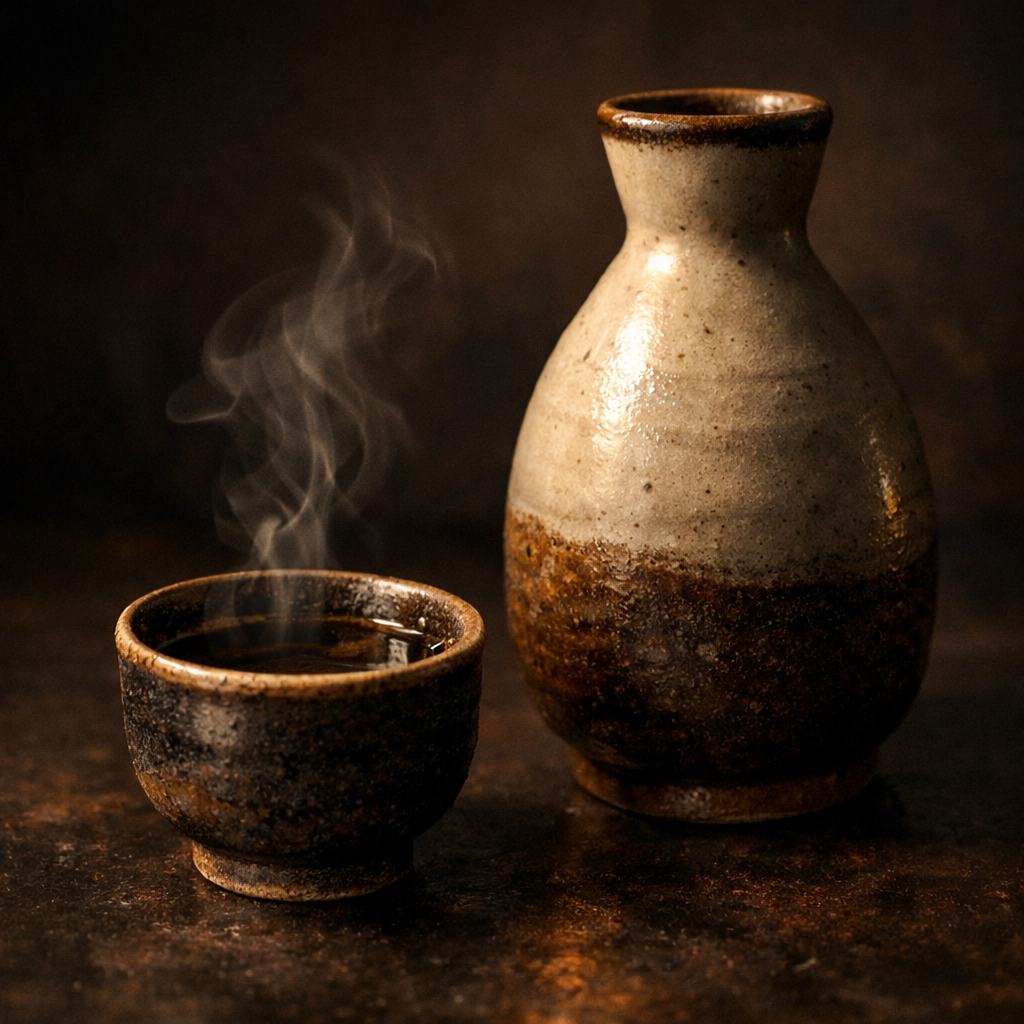
ABV
14%
Body
medium-light
Sweetness
off-dry
Price
premium
Aramasa Ecru
아라마사 에크류
Sake / Traditional-Starter and Special-Process Sake — Akita, Japan
The kind that brightens the palate after a richer bite.
More lift than weight
Can cushion spice or salt and make the pairing feel more forgiving
Weeknight dinners, lighter meals, and first-glass situations
medium-light body gives the pairing its weight
off-dry sweetness changes how salt, fat, and spice land
white grape, yogurt, lemon are the leading flavor cues to follow
INTERPRETATION
What this drink feels like in plain language
Brighter and more palate-resetting, especially when food is doing a lot of work.
FIT
Who it fits
- • People who want something lighter and easier to place at the table
- • People who want flexibility across more than one kind of dish
- • People who want a softer, easier approach than a fully dry style
CAUTION
Who may want to be careful
- • People expecting only extreme intensity or obvious weight may want something else
SCENE
When it works especially well
- • Weeknight dinners, lighter meals, and first-glass situations
What to Eat with Aramasa Ecru?
Here are the food directions that fit Aramasa Ecru based on aroma and texture cues.
Current analysis layers: 0 volatile and 0 nonvolatile compounds.
PAIRING CUE
Raw seafood
PAIRING CUE
Clean steamed dishes
PAIRING CUE
Fine umami
WHY IT WORKS
- • Can cushion spice or salt and make the pairing feel more forgiving
- • Especially useful with fat, fried textures, and seafood
Check regional availability
Utility links for price and stock discovery near you. Some destinations may support the project.
NEXT STEP
If this bottle caught your eye, these are good next moves
If you want to go lighter
Dassai 23 Junmai Daiginjo
premium · light
If the current bottle sounds right but you want less weight or pressure, this is the easier next step.
If you want the safer entry
Dassai 23 Junmai Daiginjo
premium · light
This keeps some of the character while lowering the chance that it feels too sharp on a first try.
If you want to go bolder
Hakkaisan Tokubetsu Honjozo
mid-range · medium-light
If you like the current direction, this is the lane to push further into more presence or a sharper signature.
EDITORIAL NOTE
Our take
Utility-first bottle intelligence for food pairing, dinner planning, gifting, and regional availability checks. Start with the taste shape, then move to where it fits.
ABV
14%
Body
medium-light
Sweetness
off-dry
Price
$$$$premium
Flavor Profile
Taxonomy
Traditional-Starter and Special-Process Sake
Kimoto, yamahai, nama, genshu, koshu, nigori, and sparkling process-driven branches.
Category Taste Grid
Sake markers
Representative Compounds
Traditional-Starter and Special-Process Sake
- lactic_acid - kimoto and yamahai depth marker
- amino_acids - savory concentration
- sotolon - aged koshu nutty note
- carbon_dioxide - sparkle in refermented or sparkling sake
Sake
- ethyl_caproate - apple and melon ginjo aroma marker
- isoamyl_acetate - banana-like ginjo aroma marker
- succinic_acid - umami and depth in sake palate structure
- lactic_acid - freshness and stability, especially in kimoto and yamahai contexts
- amino_acids - savory weight and food affinity
- glucose - sweetness body and mouthfeel balance
Legal and Protected Name Context
Traditional-Starter and Special-Process Sake
Protected names
Country: Japan
Authority: National Tax Agency
Law: process terms layered on top of base sake standards
Focus: nama, nigori, koshu, sparkling, kimoto, and yamahai descriptive labeling
Sake
Protected names
Country: Japan
Authority: National Tax Agency
Law: Liquor Tax Act and special-designation sake standards
Focus: seishu classification, polishing thresholds, junmai/ginjo/daiginjo/honjozo naming
Country: Japan
Authority: GI system for alcoholic beverages
Law: Geographical Indication protections for Japanese sake regions
Focus: protected origin names such as Yamagata and Hakusan
Compare nearby options
Compare Aramasa Ecru alternatives
Use this as a reference point when comparing other kimoto sake options.
Read this bottle in context
Chemical Profile
Volatile Compounds (0)
Chemical layer details are not yet published for this page.
Nonvolatile Compounds (0)
Chemical layer details are not yet published for this page.
Frequently Asked Questions
What food goes well with Aramasa Ecru?
Aramasa Ecru pairs well with foods that share aroma cues such as white grape, yogurt, lemon. The medium-light body and off-dry sweetness help it land well with savory, richer dishes.
What does Aramasa Ecru taste like?
Aramasa Ecru is a Sake in the Traditional-Starter and Special-Process Sake family with 14% ABV. Expect a medium-light body, off-dry sweetness, and flavor cues such as white grape, yogurt, lemon, rice, lactic acid, mineral.
How much does Aramasa Ecru cost?
Aramasa Ecru usually sits in the premium price range for Sake. Actual shelf price varies by retailer and region.